Screenshots as Sentencing: Inside the Diaspora's Unofficial Courts of Forwarded Messages
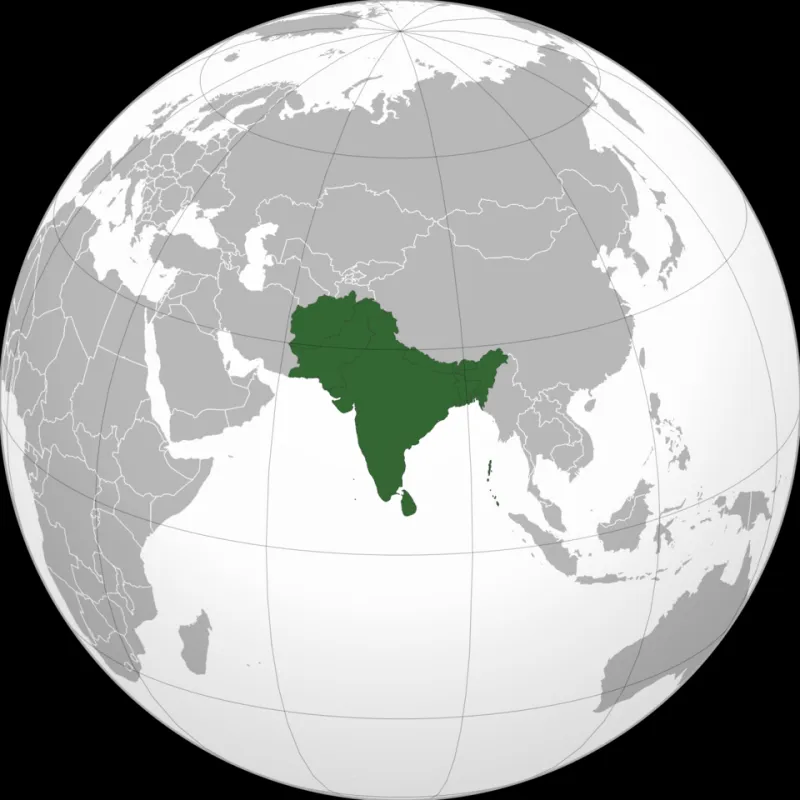
Photo: DrQuantum, CC BY-SA 3.0, via Wikimedia Commons
A forwarded screenshot can travel farther in an evening than a subpoena can in a month. In South Asian American communities from New Jersey to California, group chats and messaging channels have become something more than places to share event flyers and remittance advice. They are forums where reputations are assessed, marriages are warned against, temple trustees are tried, and business disputes are argued before audiences that no one elected and no one can easily count.
The pattern is familiar. A voice note arrives. Then a screenshot. Then a PDF of a text exchange, cropped just enough to leave out the reply that would change the story. Within hours, the claim has moved from one family group to a regional network, then to a channel with thousands of members. Someone asks whether it is true. Someone else says they heard the same thing. By the time a correction is possible, the original claim has already done its work.
This is not simply gossip. It is an institution that emerged because the diaspora often lacked faster, fairer forums for accountability. A domestic violence allegation may have no immediate police report. A temple board dispute may be buried in bylaws. A business fraud claim may be too small for a lawyer and too serious to ignore. The chat fills a gap. The question for 2026 is whether it can do so without becoming a court that never hears the other side.
The Chat as Courthouse
The informal justice system of the diaspora runs on screenshots, voice notes, and the moral authority of admins. Its docket includes marriages, dowry demands, immigration sponsorship threats, temple elections, nonprofit finances, landlord-tenant disputes, and allegations of caste discrimination. Its evidentiary standard is often whatever a trusted cousin or community elder is willing to forward.
The scale matters. A local WhatsApp group may have a few hundred members. A Telegram channel or a regional network can reach tens of thousands. Screenshots cross state lines and national borders. A claim that begins in Dallas can shape a family's reception in Chicago. A warning circulated in Toronto can reach relatives in Edison, New Jersey, before the subject has had a chance to respond.
Admins often describe themselves as moderators, not judges. Yet they decide what stays up, what comes down, who gets removed, and whether a subject is allowed to reply. Those are quasi-judicial decisions made without training, written rules, or an appeals process. Most admins are volunteers. Many are community leaders who never expected to be running a small claims court of public opinion.
What the Law Actually Says
American defamation law varies by state, but the basic architecture is consistent. A statement must be false, published to a third party, and harmful to reputation. Fault standards depend on the plaintiff. Public officials and public figures generally must prove actual malice — knowledge of falsity or reckless disregard for the truth — under the standard established in New York Times Co. v. Sullivan. Private figures often need to show only negligence in many states, though the details differ across California, New York, Texas, New Jersey, and elsewhere.
Forwarding matters. Under the republication rule, a person who repeats a defamatory claim can be treated as having published it, even if they did not originate it. 'I was just sharing what I saw' is not a reliable legal shield. A message that adds commentary — 'everyone should know about this family' — can deepen the exposure.
Section 230 of the Communications Decency Act, 47 U.S.C. § 230, is often misunderstood as a universal immunity. It protects interactive computer services from liability for third-party content in many circumstances, but it does not cover a user's own statements or content the user creates. It has exceptions, including federal criminal law and intellectual property. Group admins can be users as well as intermediaries. The platform may be shielded; the person who typed the accusation may not be.
Proving damages is the harder problem. Reputation in a closed community can be damaged in ways that are real but difficult to quantify: a lost marriage prospect, a withdrawn business partner, a shunning at a temple event. Courts can award presumed damages in some defamation cases, but many plaintiffs still face the practical burden of identifying anonymous posters, preserving evidence, and showing causation. Anti-SLAPP statutes in states such as California and Texas can also end weak claims early. The result is a gap between legal rights on paper and remedies in practice.
The Civic Cost
Unverified screenshots do more than harm individuals. They shape how communities govern themselves. A temple board election can turn on a forwarded allegation that no one has checked. A community organization's endorsement can be withdrawn after a voice note circulates. A school board race or local civic campaign can absorb a diaspora dispute that has nothing to do with the office at stake.
There is also a chilling effect. Families may avoid reporting domestic abuse because they fear the chat will turn a sensitive allegation into a permanent public record. Business owners may settle disputes quietly to avoid becoming a screenshot. Community members may stop volunteering for temple boards or nonprofits because one misstep can become a forwarded verdict.
Yet the chat also performs a genuine accountability function. In communities where formal institutions can be slow, expensive, or culturally distant, informal networks sometimes give survivors a faster way to warn others. The problem is not that the diaspora talks to itself. The problem is that speed has outrun verification, and visibility has outrun due process.
The Moderators in the Middle
Admins now carry responsibilities that resemble those of a magistrate, a fact-checker, and a press ombudsman, all at once. Many have no legal training. Few have written moderation policies. Almost none have a process for preserving evidence, offering a right of reply, or correcting an error with the same reach as the original claim.
Some basic norms would help. Admins can require that allegations include a named source or documented basis. They can pause posts that identify private individuals until the subject has had a chance to respond. They can label unverified claims clearly. They can preserve original messages rather than cropped screenshots. They can publish a correction to the same group where the claim spread. None of this is a substitute for legal advice, and none of it eliminates the risk of defamation. But it moves the chat from pure rumor toward something closer to a forum with rules.
A Faster Forum, Not Necessarily a Better One
The diaspora built these networks because formal justice was often too slow, too costly, or too foreign. That achievement deserves recognition. A community that can mobilize thousands in an evening has real civic capacity. But capacity without procedure becomes a danger to the very people it claims to protect.
The next step is not to shut the chats down. It is to treat them as institutions worthy of adult rules: verification before virality, a right of reply before a verdict, and a correction as loud as the accusation. A screenshot is not a sentence. A group chat is not a courtroom. Until the diaspora builds better forums, it should at least be honest about the ones it has.