The Textbook as Testimony: South Asian American History and the 2026 Standards Fight
Photo: N509FZ, CC BY-SA 4.0, via Wikimedia Commons
Across the country this fall, some of the most consequential arguments about South Asian American identity are taking place in fluorescent-lit hearing rooms rather than courtrooms. State education boards are revising K-12 social studies standards, and the testimony has turned to caste, Partition, colonialism, and religion. Parents, advocacy organizations, and academic specialists are filing public comments, packing board meetings, and threatening litigation. What looks like a dispute over textbook language is also a constitutional argument about the boundaries of public schooling.
The Standards Are Not Neutral Documents
A state social studies standard does more than list dates and dynasties. It tells teachers what must be covered, publishers what must be printed, and students what the state considers essential to civic literacy. In 2026, several states are at various stages of revision. Texas is moving through its periodic social studies review, where the State Board of Education has historically exercised unusual influence over national textbook content because of the size of the Texas market. California is updating framework guidance that shapes how its ethnic studies and history courses are taught. New Jersey, which in 2020 became the first state to require AAPI history in K-12 schools, is now grappling with what that requirement means in practice. Virginia and Florida are conducting their own reviews amid broader political fights over how schools discuss race, religion, and national identity.
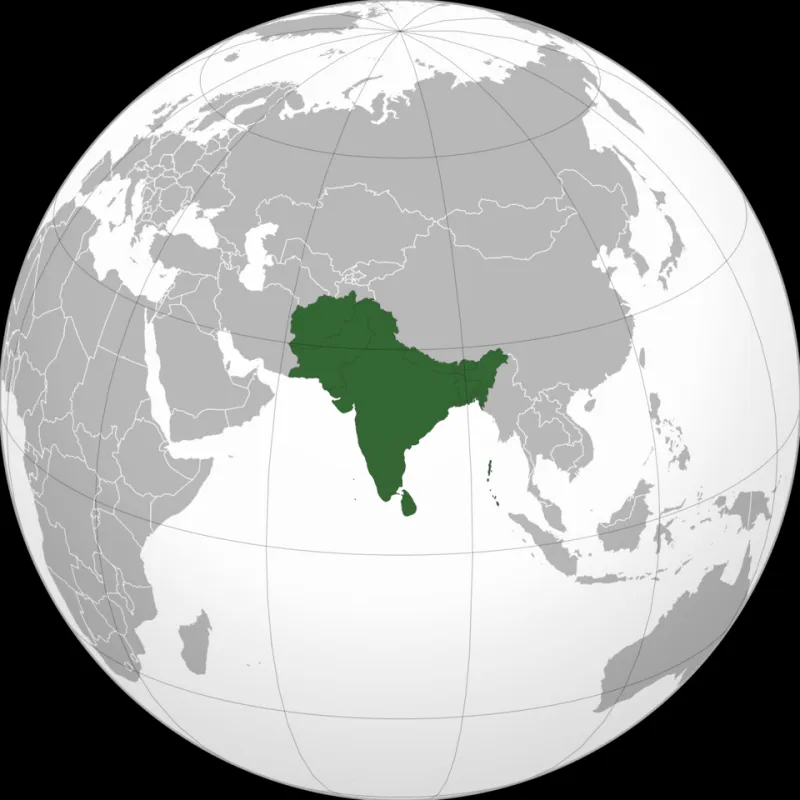
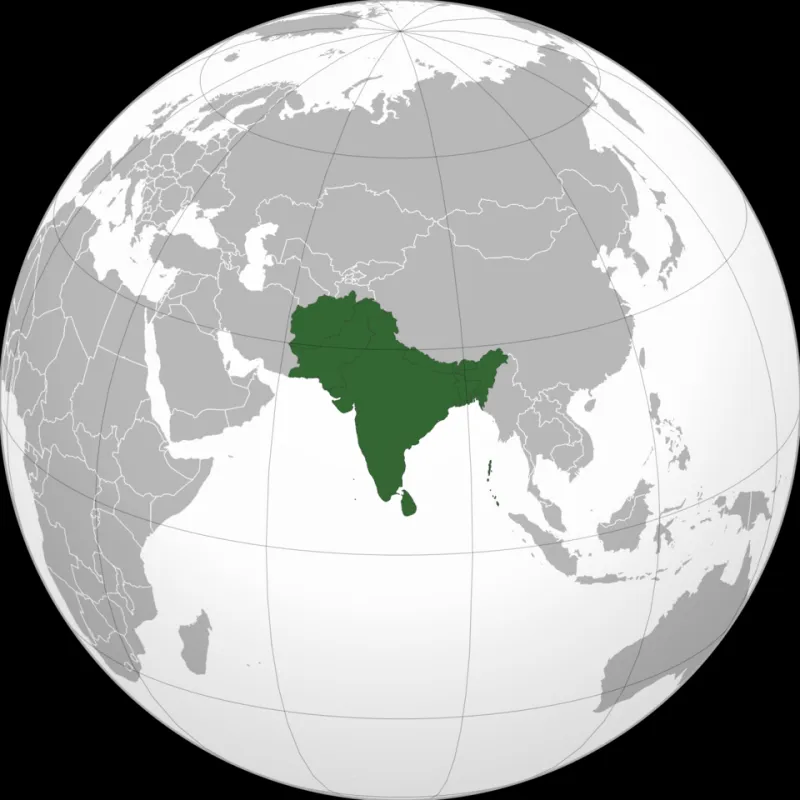
The South Asian American population is small enough that it rarely drives a statewide vote, but organized enough to shape a comment period. Hindu, Muslim, Sikh, and Dalit-led organizations have all submitted proposed language. Some seek fuller treatment of precolonial civilizations; others ask that caste discrimination be named explicitly; still others object that Partition is taught as a distant communal tragedy rather than a political event with ongoing consequences. Scholars of South Asia have weighed in with letters warning against compressing distinct religious traditions into a single civilizational narrative.
Caste, Partition, and the Limits of Compression
Caste is the sharpest fault line. In recent years, several American institutions—universities, municipalities, and now school systems—have debated whether caste belongs in discrimination policy and in curriculum. Supporters of inclusion argue that students from South Asian backgrounds may encounter caste bias in schools and that silence leaves the topic to rumor and stigma. Opponents, including some Hindu American organizations, contend that caste is a religious and social system specific to South Asia and that teaching it in American classrooms risks reducing an entire tradition to a single hierarchy, inviting bullying of Hindu students.
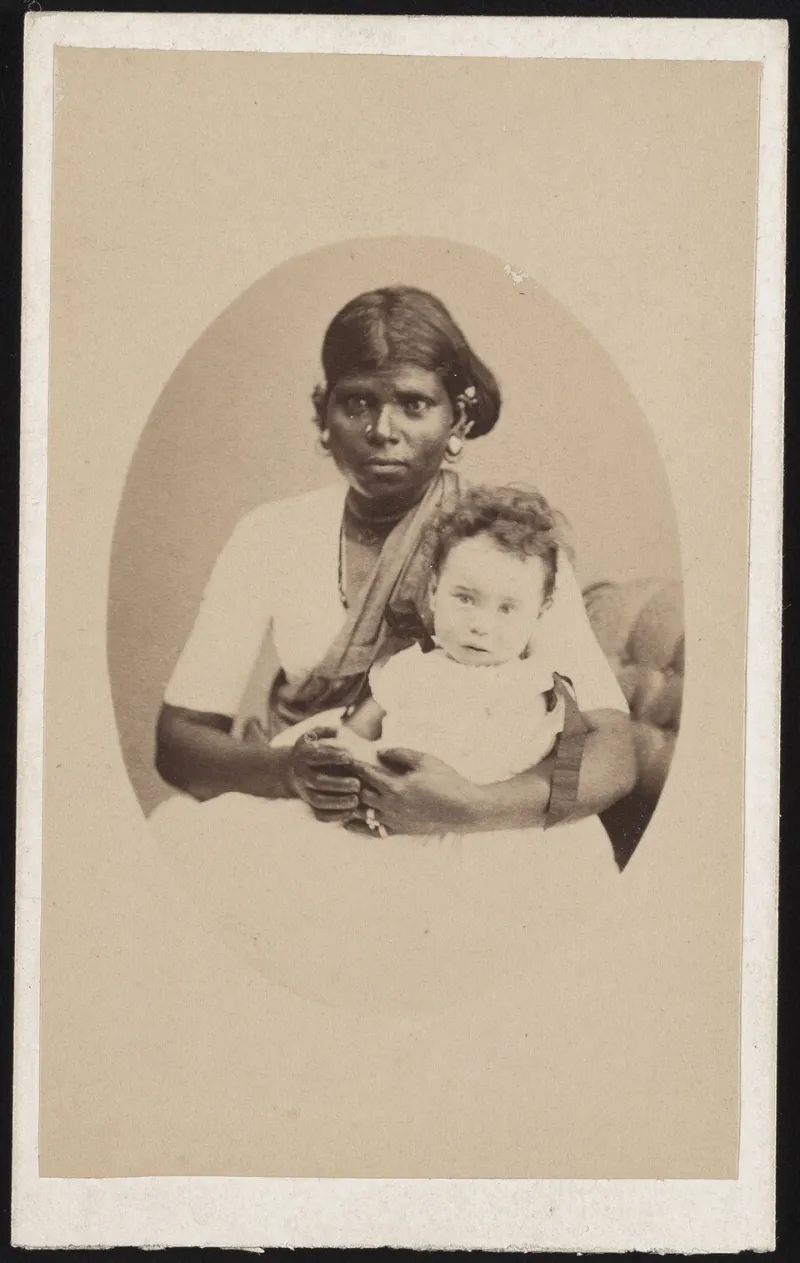
Partition presents a different problem. Standards often allocate a sentence or two to the 1947 division of British India, leaving teachers to explain mass migration, violence, and the creation of India and Pakistan without much support. Sikh organizations have pressed for clearer treatment of the period's impact on Punjab. Muslim and Hindu groups have each accused proposed drafts of imbalance. The result is a curriculum that can feel less like history than a compressed negotiation.
The First Amendment Question Nobody Can Settle
Parents who object to curriculum language often frame their claims as First Amendment or free-exercise arguments. The legal terrain is less favorable than it appears. Federal courts have generally treated curriculum and school-sponsored materials as government speech, giving school boards broad authority over what is taught. The Supreme Court's 1988 decision in Hazelwood School District v. Kuhlmeier gave schools substantial control over school-sponsored expression, and earlier cases such as Meyer v. Nebraska and Pierce v. Society of Sisters established parental rights to direct a child's upbringing without granting parents a veto over public school content.
Religious opt-out demands have fared somewhat better in public debate than in court. Litigation over elementary school storybooks in Montgomery County, Maryland, kept the question of religious exemptions alive in the federal appellate courts, but the general rule remains that a school may teach required material over a parent's objection. Free-exercise claims must clear the bar set by Wisconsin v. Yoder and its progeny, which protect parental religious instruction from certain compulsory schooling laws but do not ordinarily reach the content of a civics lesson.
That does not mean the legal arguments are irrelevant. School boards are political bodies, and the threat of litigation shapes drafts. A board may soften language about caste or religion less because the Constitution compels it than because its members want to avoid a lawsuit, a viral hearing, or an election-year attack.
Local Boards, National Money
The 2026 school board elections that concluded this month put curriculum fights on local ballots across the country. In many districts, turnout was low and organized slates dominated. National advocacy groups on multiple sides of the South Asian history debate have learned to treat local boards as the front line: a standards revision in one state becomes a template for another, and a hearing room clip becomes fundraising material.
This is where the diaspora's internal disagreements become visible in a distinctly American form. The question is not only what students should learn about South Asia. It is which South Asian American organizations get to speak for a community that is religiously, regionally, and politically diverse. A Hindu heritage group and a Dalit-led civil rights organization may both claim to represent the same families. A Sikh organization may argue that its tradition is misclassified. A Muslim parent group may object to language it considers apologetic. School boards are not equipped to adjudicate these disputes, yet they are the bodies legally empowered to decide.
Why the Textbook Matters Beyond the Classroom
Curriculum fights are often dismissed as symbolic. They are not. A student who encounters Partition only as a footnote, or caste only as an exotic curiosity, learns something about which histories are treated as serious. A student who never encounters South Asian American civic contributions learns a subtler lesson about belonging. The reverse is also true: a standard that flattens religious traditions into caricature can do real harm to children who practice them.
The First Amendment does not resolve these questions. It sets the boundaries within which communities argue. In 2026, that argument is happening in state capitols and local board rooms, with lawyers waiting in the hallway. The outcome will shape not only what South Asian American children learn about their own histories but what all American children learn about the plural society they are inheriting.